10 Things Your Dachshund Breeder Wants You To Know

If you think adopting a dachshund is just about getting a cute little sausage shaped shadow, you’re in for a surprise (and maybe a headache or two). I’ve seen it all as a dachshund breeder, from folks ready and willing to learn, to people who thought they were getting a living plush toy. Honestly? There are a lot of myths rolling around out there—stuff like “they’re so small, they’re easy!” and “they don’t need much exercise.” If you don’t want your new wiener dog to take over (and possibly rearrange) your life, keep reading. This is what I wish every potential owner would actually listen to before bringing one home.
dachshund puppy laying on grass

10 Things Your Dachshund Breeder Wants You To Know

1. Dachshunds Are Stubborn. Training Is Not a One and Done Deal

So, you’ve heard they’re smart. Let’s get something straight: smart doesn’t mean obedient. Dachshunds have a mind of their own and absolutely know how to use it. If you sign up thinking these little hounds are pushovers, your future self will laugh at you. Consistency in training is what keeps life manageable. If you don’t put in the work, expect them to put their nose wherever they want, whether that’s in the trash, forbidden rooms, or anywhere else. If you need help with training, this is one of the few resources I actually recommend: K9ti Free Workshop. Seriously, worth checking out if you want to stay one step ahead.

2. Potty Training Is Its Own Sport With These Guys

If you’re the impatient type, brace yourself. Dachshunds are notorious for taking their sweet time with housebreaking. They’re clever enough to know where to go, but if it’s raining, snowing, or the grass is too cold—forget about it. If you slack on routine or supervision, you’ll step in a puddle. Keep a crate handy and celebrate the little wins. Eventually you’ll get there, just not as quickly as you’ve read online.

3. IVDD Is Real. Prevention Starts on Day One

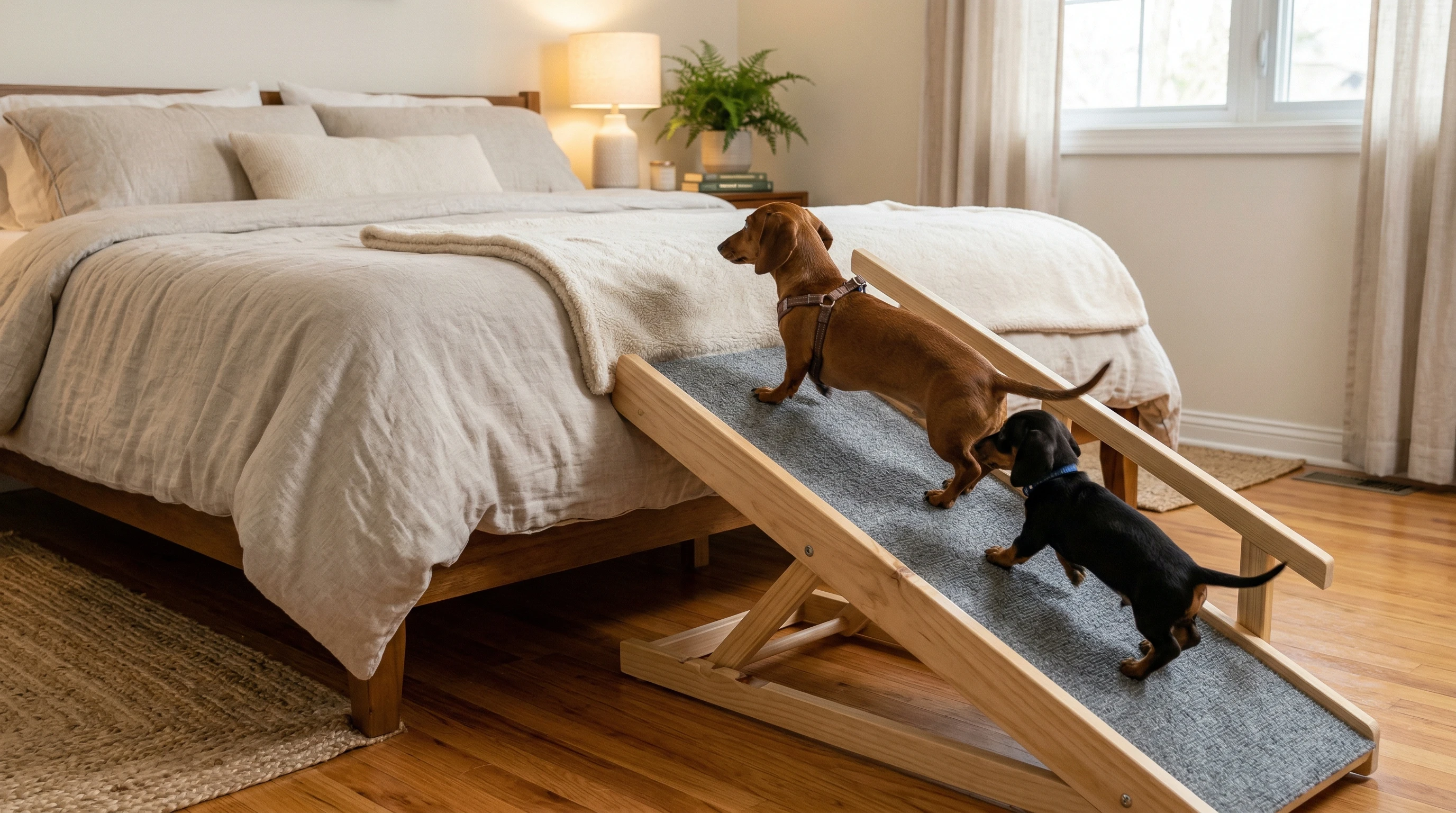
Intervertebral disc disease (IVDD) isn’t just some random long-word on vet bills. It’s real and it’s a pain for both the dog and your wallet. Dachshunds have a unique build that puts their spines at risk. What you need to do: skip all the jumping (off couches, beds, kids’ arms, whatever), keep them at a healthy weight, and set up ramps where you can. If you don’t, one freak jump could be the moment you meet your emergency vet. Prevention actually matters a lot more than people think when their dog is still young and spry.

4. “Cheap” Puppies Are Expensive Nightmares

You find a dachshund puppy for much less than the others? There’s probably a very not-good reason for that. Backyard breeders and puppy mills are cutting corners on health, socialization, and sometimes even vaccinations. You end up paying triple in vet bills or heartbreak. If a price sounds too good to be true, it’s probably loaded with problems you don’t see right away. You deserve honest info, and so does your future pup.

5. Breeder Support Isn’t Just Lip Service. Use It

You’re not bothering us by asking questions after you take the puppy home. A reputable breeder actually likes updates, and we want to help if your dachshund starts acting like a mini dictator. People who rush the process or buy from someone who vanishes afterward always seem to struggle more. Don’t be shy. Text, call, or email. I’d rather get a “help me” message than hear you gave up six months later.

6. Socialization and Early Training Is Nonnegotiable

Dachshunds can turn into little tyrants or become fearful messes if they aren’t exposed to life early on. People, vacuum cleaners, traffic noise, other dogs—you name it. A properly socialized pup is way more pleasant to live with (and groom, and walk, and introduce to friends). If you mess this up, you’re the one who will have to explain to the neighbors why your dog tried to bite their ankles at the next barbecue.

7. Don’t Feed Junk. Nutrition Is a Bigger Deal Than You Think

Not all dog food is created equal, and what you put into your dachshund matters. These guys are prone to getting chubby, and excess weight can make their back problems way worse. Avoid the cheap, grocery store stuff loaded with fillers. Instead, feed a diet high in real meat and balanced nutrients. If you want my recommendation, check out this food. It’s one of the only brands I haven’t had any issues with, quality wise. Makes a real difference in their coat, energy, and long term health.

8. Puppies Are Chaos. Biting, Barking, and Zoomies

If you think puppies just cuddle and take naps, you’re not ready. Dachshund puppies run the full circus: they nip, bark, chew, and make you question your own patience. It’s normal. They’re not “bad,” they’re babies. You’ll need toys, patience, and possibly a sense of humor. Ignore it or try to discipline harshly, and you’ll break their spirit or just make them sneakier. Put in the work; the wild phase passes, I promise.

9. Impulse Buying Is Where Regrets Begin

People see those floppy ears and sign up before really thinking. That’s where the biggest mistakes happen. If you aren’t ready for the barking, digging, and stubborn streak, walk away, at least for now. Take your time, read, ask all your questions. Dachshunds live a long time; it’s not just a phase, it’s a decade plus. Impulse decisions fill up rescue centers, and that helps nobody, not even your would-be hot dog.

10. This Is a Lifelong Commitment (Seriously, 15+ Years)

Some folks act like dogs are a starter pack for a future “real pet.” Dachshunds might be little, but they’re not an easy exit if you want to travel more, have a baby, or just get bored. They bond deeply, and watching one get rehomed is rough for everyone. Take it seriously. If you give them the right home, you’ll get loyalty and personality in spades. If you think you might “get tired” of your dog, trust me, skip the puppy and save everyone trouble.
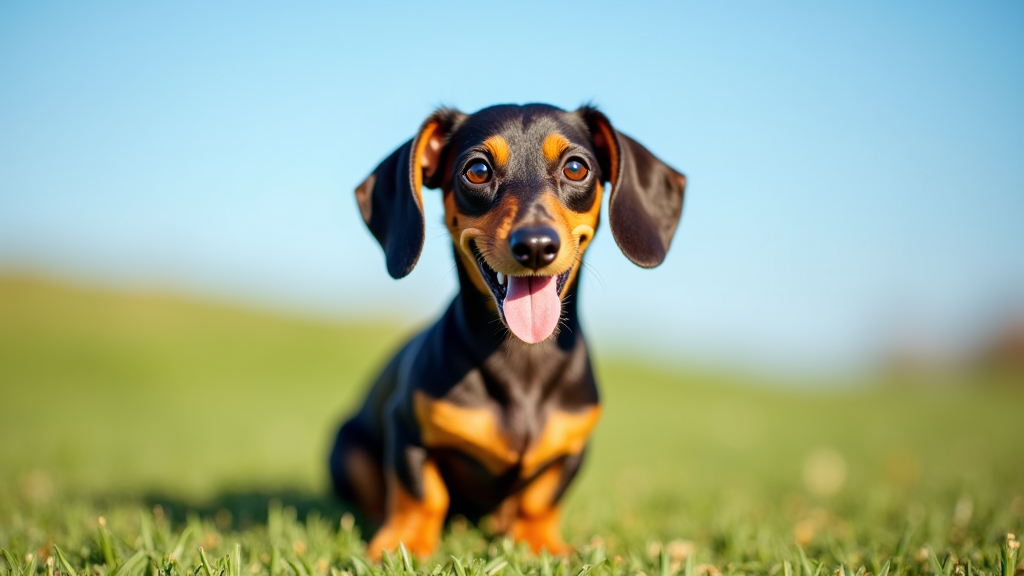
dachshund running outdoors

What to Expect If You’re Serious About Adopting

If you’re still here and haven’t run for the hills, you’re my kind of person. Expect to interview with a good breeder. Yes, we ask questions. It’s for the dog’s good, not for some weird control trip. There may be a waitlist, and there will definitely be paperwork and proof of vetting. Resources, patience, and an understanding of dachshund personality are really important. Pay attention, prepare (mentally and with supplies), and be honest with yourself about your lifestyle.

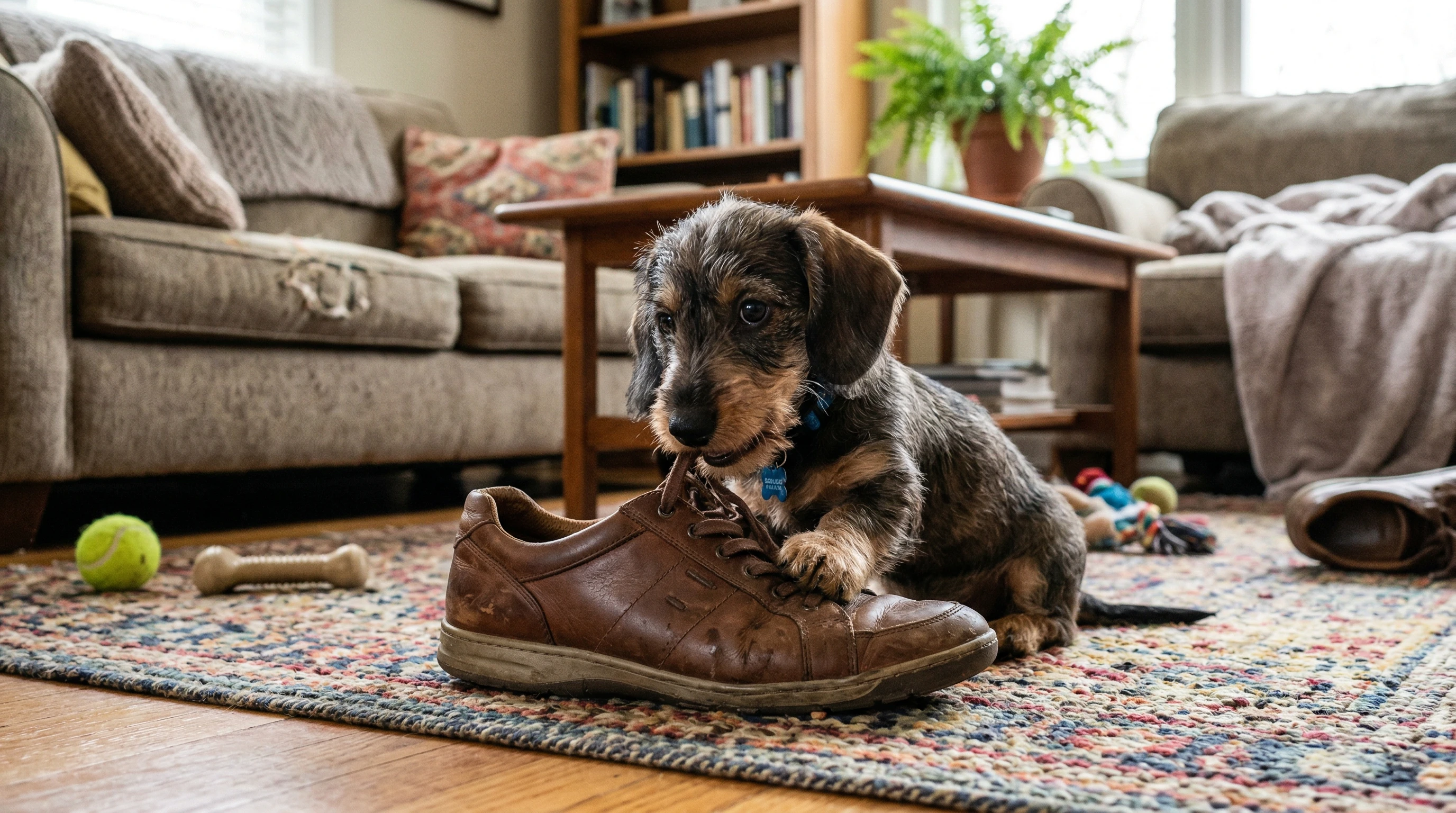
  • Time: Dachshunds need engagement and supervision, especially in the puppy stage. Bored dachshunds remodel your shoes, not your kitchen.
  • Budget: Proper food, vet care, equipment, and training add up. You’re investing in a long term family member, not a house ornament.
  • Home Setup: Think puppy gates, ramps, crates, and plenty of safe toys. A bored doxie learns how to open cabinets scarily fast.

dachshund sniffing flowers in a backyard

Frequently Asked Questions

How much exercise do dachshunds actually need?
They may look like lapdogs, but they’re bred hunters with decent stamina. Expect 30 to 45 minutes of play or walking a day, minimum. Skip days and you’ll see the results in their attitude, and maybe your furniture.


Are dachshunds good with kids or other pets?
Generally, they do well if raised together and socialized early, but every dog has a personality. Teach kids to respect space, and introduce pets slowly. These dogs don’t tolerate rough handling, so supervision is key.


How can I prevent back issues long term?
Keep your dachshund slim, avoid high jumps, and use ramps or stairs for furniture. Good breeders will start discussing IVDD prevention even before you bring your pup home. Listen to those guidelines. It seriously pays off in the long run.


What’s the best reward in training: treats or praise?
Dachshunds work for food, not compliments (sorry). Small, healthy treats are your best weapon. Compliments are nice, but kibble gets results.


three dachshund puppies playing together on a blanket

Final Thoughts: Your Dachshund, Your Responsibility

Bringing home a dachshund is more than just picking up a cute pup and snapping photos for your socials. It’s about prepping your life, sticking with training, and respecting the breed’s quirks. Trust your breeder, use the resources mentioned above, and be prepared to laugh, be frustrated, and brag about your wiener dog for years to come. If you’re ready for honesty, messes, and a four legged best friend, welcome to the club.
10 Tips For First-Time Dachshund Puppy Owners

Adorable miniature dachshund puppy playing in grassSo, you finally caved and decided you need a dachshund puppy in your chaotic life. Welcome to the club; I’m a breeder in Oregon, and I’ve got more weenies underfoot than I have matching socks. Before you imagine picture-perfect Instagram moments, let me remind you: dachshund puppies are adorable chewy hotdog tornadoes. I totally get why you’re nervous. Every week, I hear from excited families who can’t wait for puppy kisses, until those kisses come with accidental nibbles on toes, chewed phone chargers, and that first dramatic dachshund meltdown. Puppies are cute, but raising one (especially a stubborn little dachshund) isn’t all rainbows. If you’re overwhelmed by info online or worried about making a mistake, you’re in good company; I still question my life choices when a puppy finds the laundry pile again. Grab a mug of coffee, ignore the dog fur on your pants, and I’ll walk you through 10 hard-won dachshund care tips to help you survive, and even enjoy, life with your new lowrider.


1. Prepare Your Home Before Bringing Home a Dachshund Puppy

First-time owners sometimes forget dachshunds are nosey, determined diggers. They’ll find (and chew) anything not nailed down. When I prepare for new litters, I go room by room picking up socks, cords, wayward shoes, and whatever else looks tasty to a pup. Dachshund puppies love to climb into laundry baskets, behind couches, and under beds; basically anywhere you wish they wouldn’t find themselves. Even that corner behind the recliner is fair game to a curious little sausage dog! They’re expert at squeezing into spaces you didn’t know existed, sometimes coming out with dust bunnies stuck in their whiskers.

  • Puppy gates are my best friend for keeping puppies out of trouble.
  • Cable organizers are pretty handy for saving your chargers from tiny teeth.
  • Trash cans with lids and “dachshund level” cleaning help cut down surprises.

This prep work saves you a lot of stress when the puppy comes home. Dachshund proofing beats pulling a chewed sock from a dachshund’s jaws at 2am; trust me on this. If you have kids, remind them to pick up their toys and snack wrappers—inventive puppies can turn anything into either a chew or a chase game. Even plants aren’t safe, so check to make sure you move anything toxic out of reach.


2. Invest in the Right Puppy Gear (and Skip the Useless Stuff)

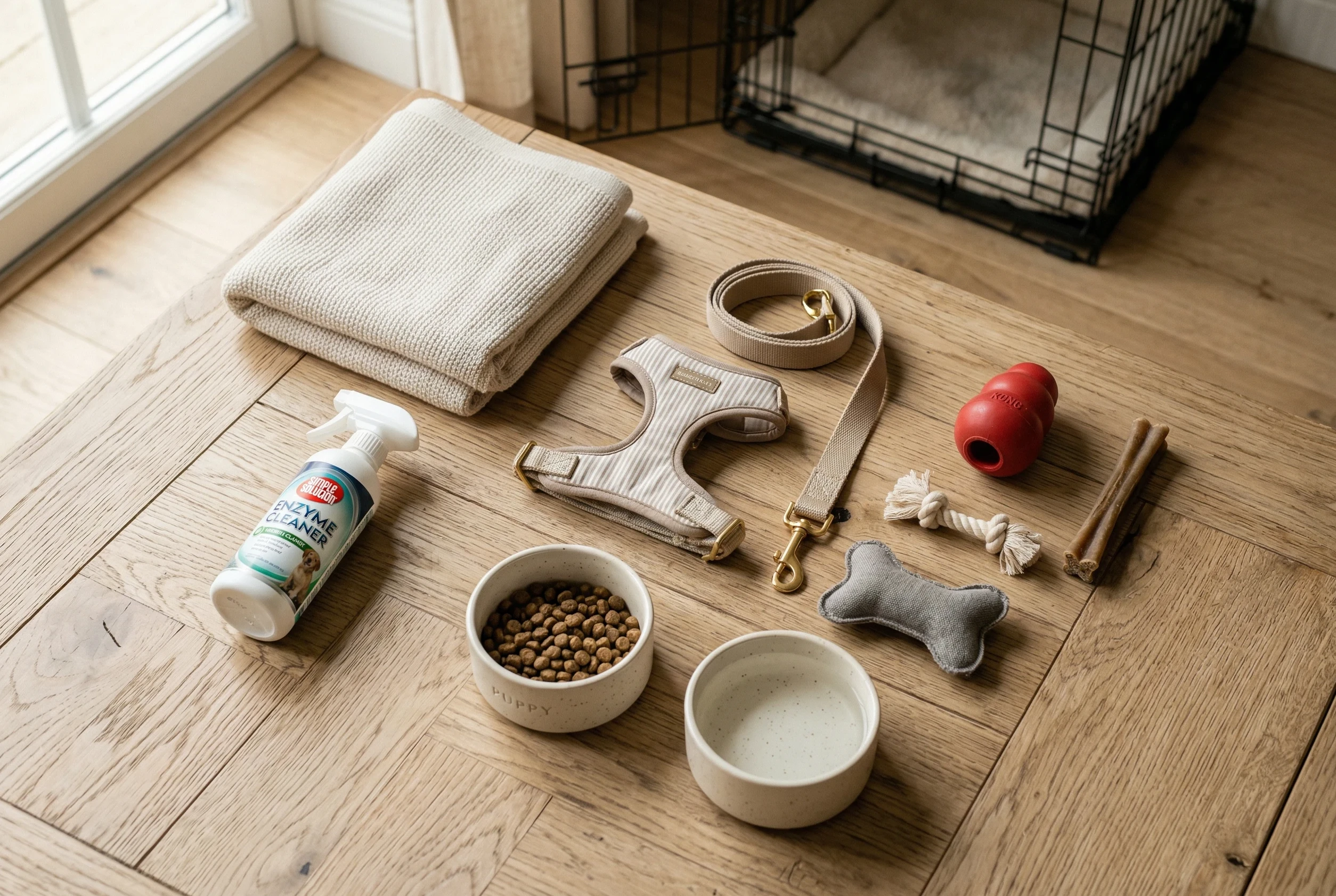
When it comes to dachshund care tips, some products are overhyped. You don’t need a $100 puppy jacket, but you do need a secure harness (their necks are delicate). I always recommend:

  • Flat, nonslip dog bowls for those long, silly ears
  • A crate with space to stretch, but not enough to party
  • Enzyme cleaner for potty accidents (and there WILL be accidents)
  • A soft harness instead of a collar for walks
  • Tough, safe chew toys (Kongs are my go to)

Treat yourself to stain remover in bulk; first time dachshund buyers always thank me later. Add to your list a cozy blanket and a puppy-safe snuggle toy, which can help new arrivals adjust to their new environment. And don’t bother with shoes, fancy costumes, or too many treats—simple, reliable gear works best with these smart little adventurers.

dachshund puppy essentials list for new owners gear and supplies


3. Focus on Early Socialization and Confidence

Dachshund temperament can be a wild card. Some are little social butterflies, and some act like the world’s smallest, crankiest security guards. Early, gentle socialization is absolutely the best way to get a confident, friendly weenie. I introduce my puppies to new textures (like grass, tile, gravel), sounds (doorbells, vacuum, hair dryer), and gentle people of all ages.

  • Invite friends and family over, as long as they’re not chaos monsters themselves
  • Short, positive outings are much more helpful than busy dog parks at the start

Pushing too fast can backfire; mine once barked at a scarecrow for a week. Keep new experiences relaxed and fun. Gently handle your puppy’s paws, ears, and mouth daily so vet visits and grooming are less of a struggle later. Give your dachshund chances to meet friendly, well behaved dogs as well, building up their ‘doggie social skills’ slowly.


4. Potty Training is a Marathon, Not a Sprint

I can’t tell you how many dachshund puppy buyers are shocked that potty training isn’t quick and easy. Doxies are known for being stubborn and a little slow on this one. Consistency helps, and a sense of humor goes a long way. I set timers every 1 – 2 hours, and out we go. Praise parties for outside potties, quiet cleanup for inside accidents. No drama, just more paper towels.

  • Take the puppy out after meals, naps, and play
  • Limit big indoor areas until the habit is set
  • Use a leash during potty breaks if your yard has distractions (hello, squirrels)

If you expect a few slips, you’ll stress less. They’ll get it, eventually. Remember, even well meaning friends who’ve had other breeds might not realize just how tenacious and sneaky dachshunds can be about hidden pee spots. Stick with the process—your persistence will pay off!


5. Dachshunds Are Food Fanatics—Control That Dinner Bell

Little wieners can get chunky fast, and it matters for their long term health. Obesity makes back problems way more likely. I measure food at every meal. No leaving the bowl out all day unless you’re weirdly into angry, hungry puppy eyes. Table scraps? Not worth the drama with a food motivated dachshund (plus they’ll perform a full Broadway protest if denied people food after you start).

If you live with other pets, supervise meal times closely—dachshunds are quick stealers! Also, avoid bones and fatty leftovers, as their sensitive tummies really don’t appreciate surprises.


6. Gentle, Persistent Training Works Best (Leave the Drill Sergeant Act for TV)

Dachshunds are smart, but let’s be real, they’re also stubborn. Harsh corrections or yelling just teach them to avoid you (or, in my case, roll their eyes and ignore me). I keep it light, short, and positive. Treats, praise, silly voices—use what works. Five minute practice sessions go further than marathon training battles.

  • Focus on basics: sit, down, come, leave it
  • Redirect unwanted behavior instead of scolding
  • Repeat, repeat, repeat—patience is your new best friend

And yes, even as a breeder, I have training fails. My oldest dachshund still thinks “stay” is more of a suggestion.

If you’re feeling stuck or want a little more structure (without turning into a drill sergeant), this free training workshop is actually a solid place to start:

No fluff—just simple, real-world training that works for stubborn little dogs like ours.

Bottom line: don’t overcomplicate it. Keep it consistent, keep it positive, and celebrate the small wins. That’s how you end up with a dog that actually listens
 most of the time.

training a dachshund puppy using positive reinforcement techniques


7. Protect Their Backs (Seriously, Don’t Skip This)

Dachshunds are basically sausages with feet. Those long spines? Prone to trouble, especially if you let them go up and down stairs, jump from furniture, or live life as a tiny parkour expert. In my house, ramps and steps are everywhere. I teach “wait for help” early, but let’s be honest; sometimes puppies launch themselves anyway.

  • Block stairs until your pup is older and stronger
  • Lift them gently off couches and beds; no dramatic leaps, please
  • Avoid rough play or high impact games

Nothing wrecks your day like a dachshund with a sore back. Prevention is way easier than the panic (and vet bills) after a fall. If you have kids or guests, teach them early how to properly support a dachshund and why jumping isn’t allowed. Dachshund backs need lifelong attention, not just during puppyhood.


8. Don’t Underestimate Their Energy (Or the Zoomies)

Dachshunds look tiny, but, wow, they can run circles around anyone. Short play sessions outside, snuffle mats, and puzzles tire them more than just tossing a ball. I rotate toys (otherwise they get bored fast), and mix up our walks around the yard to give their noses new things to sniff. A tired dachshund is less likely to start “remodeling” the house for you.

Interactive play and digging in a safe sandbox can help focus their energy and instincts. And when rain keeps you inside, simple games like “find the treat” keep minds and noses busy, too.


9. Vet Visits and Preventive Care: Don’t Skip The Basics

If you’re new to dachshunds, know this; they’re brave overthinkers, but not always at the vet’s. Regular checkups get them used to the process, and so does handling ears, paws, and teeth at home. I’ve definitely had my share of dachshund drama at the clinic. Start early and make exams as low stress as possible. Vaccinations, deworming, and flea prevention are part of responsible ownership; plus, you want your puppy to play safely.

Annual checkups aren’t just routine—they’re a smart way to catch health issues sooner. If your puppy acts “off,” don’t wait; dachshunds sometimes downplay their pain, so making friends with your vet team pays off in the long run.


10. Accept the Chaos—and Celebrate the Little Wins

If there’s one thing I wish every new puppy owner understood, it’s that perfection isn’t the goal. You will mess up. Your puppy will pee on the rug right after you brag about him. There’s no gold medal for “best weenie wrangler.” At my place, we celebrate the chaos and laugh when we can; otherwise, I’d never survive puppy season. Just love your new dachshund, and remember: progress over perfection, always.

Finding joy in the messy, unpredictable moments is what makes dachshund ownership so special. Snap photos, share stories, and know that every little “win”—a successful potty trip, a mastered command, or a new friend at the park—means you’re on the right track.


Frequently Asked Questions

Are dachshunds good family dogs?
Yes, if you like goofy, loyal, sometimes dramatic four legged family members. They can be great with kids; but always supervise young children. Dachshund temperament leans strong willed, but most are very loving.

What should I buy before bringing a puppy home?
My no-nonsense list: crate, food, bowls, harness/leash, puppy pads, safe chew toys, enzyme cleaner, and a comfy bed. Stash patience and extra paper towels, too.

How hard are dachshunds to train?
Dachshunds aren’t impossible to train, but they’ll make you work for it. Consistency, positivity, and snacks help. Don’t expect labrador level obedience; the stubborn streak is real.

Do dachshunds bark a lot?
If there’s rustling in the leaves, a suspicious neighbor, or their lunch is late; yes, dachshunds bark. Early training helps (and so do treat distractions), but barking comes factory installed with most weenies.


Ready for Dachshund Puppy Chaos?

Surviving puppyhood isn’t about being flawless; it’s about showing up, having a sense of humor, and enjoying the adventure as it comes. If you want more tips, need a pep talk, or want to check out available puppies, reach out or join our waitlist. My door (inbox) is always open for fellow dachshund-chaos fans. Good luck out there, future weenie wrangler!

The Missing Link: What Is Ethical Dachshund Breeding And Why Is It Important For Healthy Puppies?

Ethical dachshund breeding is a topic that many pet lovers find both interesting and essential. The goal is to ensure that breeding practices lead to healthy, happy puppies and a better overall breed. In this article, I check out what ethical breeding for dachshunds means and why it plays such a very important role in producing healthy litters.

Placeholder image for ethical dachshund breeding

Understanding Ethical Dachshund Breeding

When discussing ethical breeding practices, it is important to consider both the physical and emotional well‐being of the dogs involved. Ethical breeders focus on ensuring that each puppy is raised in a healthy environment free from inbreeding, genetic disorders, and poor living conditions. These breeders place an emphasis on care throughout the entire process, from conception to adoption.

Ethical breeding takes a holistic approach that includes genetic testing, proper socialization, and ongoing health checks. This attention to detail helps prevent hereditary illnesses or behavioral problems from spreading. By choosing responsible breeding, buyers can be more confident in the quality and longevity of the puppy they bring home.

It is equally important for prospective buyers to understand the rationale behind ethical breeding practices. Beyond the immediate health benefits for the puppies, ethical breeding contributes to the long‐term viability of the breed and preserves important characteristics, such as a loving temperament and physical soundness. This care ensures that dachshunds remain a beloved companion breed for years to come.

Foundations of Ethical Breeding Practices

Before jumping into the methods and benefits of ethical breeding, it is important to lay the groundwork by understanding what constitutes a responsible breeder. Ethical breeders conduct thorough research and follow well-documented practices. Several key factors include:

  • Genetic Testing: Ensuring that potential parents are screened for hereditary issues.
  • Health and Temperament Evaluations: Assessing both physical and behavioral traits to guarantee a balanced trait transfer to the puppies.
  • Environmental Standards: Providing a clean, nurturing environment where both the dam and the puppies thrive.

These central pillars not only secure the immediate health of the puppies but also contribute to the overall improvement of the breed. Responsible breeders are committed to the idea that healthy puppies come from healthy parents, and good environments make a world of difference during a puppy’s critical early stages of development.

A Quick Guide to Ensuring Healthy Puppies

For those just getting interested in ethical breeding, understanding the process can seem overwhelming. To help simplify the complex world of puppy breeding, here is a step-by-step guide that outlines the most important actions:

  1. Selecting the Right Parents: Choose breeding pairs that have been thoroughly vetted for genetic and hereditary conditions. Responsible breeders look for parents with compatible temperaments and proven health records.
  2. Prioritizing Health Screenings: All-in-one health evaluations, including genetic tests and veterinarian reviews, are a must. These screenings help detect issues before they can affect the puppies.
  3. Creating a Nurturing Environment: Provide spacious, clean living conditions along with proper nutrition and socialization opportunities. A harmonious environment during the early growth stages leads to better-stabilized behavior later in life.
  4. Continuous Monitoring: Ethical breeders keep in regular contact with new owners and offer guidance to ensure that the puppies continue to receive proper care after adoption.
  5. Transparent Communication: Maintaining open dialogue with prospective owners about the breeding process, potential health issues, and the responsibilities of dog ownership builds trust. It is not just about the breeding process. It is about building a long-lasting relationship between breeder and pet owner.

Following these steps can make a significant difference in the overall health and temperament of the puppies. For both breeders and new pet owners, this transparency is key to forming a lasting relationship with the pet and for contributing to the integrity of the dachshund breed.

Common Concerns in Ethical Breeding

Like any process, ethical breeding has its challenges; however, many issues can be eased up with careful planning and genuine care. Common concerns in ethical breeding include:

  • Genetic Health: Avoiding inbreeding and closely related pairings is important to reduce the risk of genetic diseases.
  • Puppy Socialization: Puppies must be adequately socialized to appear confident and friendly. Adequate socialization routines should begin early on, ensuring the pups are well-rounded individuals as they grow.
  • Proper Environment: A business that focuses on profit over welfare may neglect the environmental needs of the dam and puppies. Ethical breeders invest in superior living conditions to promote natural growth and development.
  • Regulatory Compliance: Adhering to local and national animal welfare laws is not optional for ethical breeders. These regulations guide the appropriate care, licensing, and oversight of breeding practices.

Genetic Health

The health of a dachshund is largely determined by the genetics passed down from its parents. Ethical breeders screen potential breeding pairs for common hereditary conditions such as intervertebral disc disease, which dachshunds can be prone to. By taking a proactive approach, breeders can lower the chance that these problems will manifest in the puppies, leading to a healthier and more robust litter.

Puppy Socialization

Early socialization is a cornerstone of responsible breeding. A puppy’s environment during the first few weeks is critical. Ethical breeders expose their puppies to a variety of safe experiences, sounds, and gentle handling to help reduce anxiety later in life. Consistent social interaction means that puppies are better prepared to interact with both other dogs and people once they leave the nursery.

Maintaining a Responsible Breeding Environment

A safe and clean environment is more than just a nice-to-have in breeding; it is essential for the well-being of the animals. Responsible breeders create spaces that promote physical activity, mental stimulation, and overall comfort. Areas for play and rest are designed to stimulate natural behaviors while reducing stress and the likelihood of disease transmission.

Following Legal Guidelines

Ethical breeding practices go hand-in-hand with regulatory compliance. Keeping up with licensing requirements, animal welfare standards, and regular veterinary check-ups is non-negotiable. By following local and national laws, ethical breeders contribute to the wider community of responsible pet ownership and help prevent illegal or exploitative breeding practices.

It is worth noting that these focus areas are not isolated. They work together to ensure that each puppy is given every advantage for a healthy start in life. The more transparent breeders are regarding their practices, the more confidence prospective owners can gain in the process.

Advanced Insights on Ethical Breeding

Once the basics of ethical breeding are understood, there are advanced tips that can further take up a notch the quality of the puppies and improve the overall breeding program. For example, many breeders now focus on long-term follow-ups, engaging with new puppy owners long after adoption. This helps to monitor the puppy’s development and detect any emerging health or behavioral issues early on.

Focus on Nutrition and Early Veterinary Care: Special diets and early health check-ups can make a significant difference in a young dachshund’s development. Feeding high-quality, balanced meals and scheduling initial veterinary visits set up the pup for a healthy life.

Structured Socialization Programs: Creating a structured plan for early socialization helps puppies adapt to new surroundings. This can include controlled exposure to different sounds, environments, and other animals.

Record-Keeping and Data Analysis: Many advanced ethical breeders keep detailed records of their breeding pairs, health tests, and growth milestones of puppies. This data can help identify trends over time and inform future breeding decisions to continually improve the program.

Watching trends and drawing insights from recorded data is a great way to get a feel for whether the methods being employed are effective. This ongoing commitment to improvement is something that sets truly ethical breeders apart from those who view breeding simply as a means to an end.

Key Factors in Promoting Healthy Puppy Development

Healthy puppy development is influenced by many factors, but there are some core components that every responsible breeder should consider. These include genetic selection, environmental conditions, and continuous care. When these factors are managed well, puppies often grow to be strong and well-adjusted members of their families.

Choosing a mate that is not only physically healthy but also exhibits the right temperament is an important aspect of ethical breeding. This careful selection process reduces the risk of hereditary and behavioral issues. In addition, keeping parents in a nurturing environment with proper exercise and mental stimulation means that the puppies have an optimal start in life.

The positive outcomes of ethical breeding extend past the individual animal to impact the entire breed. Ethical breeding preserves essential traits such as loyalty, playfulness, and affectionate behavior that are highly valued by dachshund enthusiasts. With every well-cared-for litter, the overall reputation and health of the breed continue to improve.

  • Genetic Selection: Careful consideration of genetic factors minimizes health issues and leads to robust puppies.
  • Nurturing Environment: A stable and loving environment supports better physical and mental growth.
  • Ongoing Health Monitoring: Consistent veterinary care and follow-up ensure any potential issues are addressed early on.

All of these practices contribute to a breeding program where the health of the puppies is the top priority. The benefits of ethical breeding practices extend far beyond the litter; they pave the way for a healthier future for the dachshund breed as a whole.

Additional Considerations for Ethical Dachshund Breeding

To further give a boost to the conversation around ethical dachshund breeding, it is important to consider additional factors that may not be immediately evident. Many breeders are now devoting extra time to understanding the subtle behavioral cues of their dogs and adjusting practices accordingly. This extra effort can make all the difference. Owners and breeders alike benefit when there is ongoing support and open dialogue long after the adoption process has been completed.

One area that has seen a next stage improvement is the integration of modern technology in breeding practices. Using digital record-keeping and scheduled reminders for health check-ups, breeders can keep a sharp eye on the development of each puppy. These innovations not only make the process smoother but also help in tracking long-term outcomes. In many cases, new research findings and genetic advancements are shared among breeders in informal groups, where ideas are exchanged to further improve practices.

Furthermore, community outreach and educational seminars are becoming a common approach among ethical breeders. These initiatives allow potential pet owners to ask questions and get involved in discussions about best practices for dog care. By hosting workshops and open house events, breeders show that ethical breeding is not merely a business—it is a commitment to nurturing a legacy of well-cared-for animals.

This additional focus on modern techniques and community involvement not only reinforces the ethical standards but also offers a platform for continual learning. Responsible breeders who invest in ongoing education and outreach contribute to a more informed public. Ultimately, this ensures the long-term stability and improvement of the dachshund breed, allowing future generations to benefit from today’s efforts.

Frequently Asked Questions

Here are some common questions people have about ethical dachshund breeding:

Question: What does ethical breeding mean for dachshunds?
Answer: It means breeding in a way that prioritizes the health, temperament, and well-being of both the parents and the puppies. Ethical breeding includes genetic testing, proper care, and continuous health monitoring.


Question: How can I tell if a breeder is practicing ethical breeding?
Answer: Look for breeders who are transparent about their practices. They should provide full health histories, details about genetic tests, and clear information about the environment in which the puppies are raised.


Question: Why is genetic testing important in breeding dachshunds?
Answer: Genetic testing helps identify potential health risks that can be passed on to puppies. By ensuring that both parents are free from known genetic disorders, ethical breeders promote healthier outcomes for the offspring.


Question: What role does socialization play in ethical breeding?
Answer: Socialization at an early age helps puppies grow into more confident and well-adjusted adults. Responsible breeders introduce puppies to various stimuli in controlled settings, ensuring they are prepared for life in a family environment.


Conclusion

Ethical dachshund breeding is about more than just producing puppies. It ensures that every little dog has the best start in life possible. By following practices that emphasize genetic health, proper socialization, and excellent living conditions, breeders help form a more robust and reputable breed.

For those considering adding a dachshund to their family, it is very important to do research and connect with breeders who take their responsibility seriously. Not only does this approach lead to healthier puppies, but it also supports the future of the breed as a whole.

Wrapping up, embracing ethical breeding practices involves commitment, continuous learning, and genuine compassion. When breeders keep the well-being of their dogs as the top priority, they lay the foundation for generations of happy, healthy dachshunds. Choosing a companion from such a program means you are investing in more than just a pet. It means you are contributing to a legacy of care and responsible breeding that will benefit dogs and their families for many years to come.

All The Basics: What Is A Miniature Dachshund? A Complete Guide To Choosing The Right Weenie For You

Miniature Dachshunds might be small in size, but they pack a lot of personality and charm into every little step they take. This guide is designed to help you understand what makes these adorable little dogs so unique and to help you decide if this breed fits your lifestyle. By checking out their distinct traits and following a clear, step-by-step approach in choosing the right pet, you will have everything you need to make an informed decision.

Miniature Dachshund

Distinct Qualities of Miniature Dachshunds

Miniature Dachshunds are celebrated for their long, slender bodies, lively eyes, and eye-catching spirit. Originally bred to hunt small animals, these dogs have a relentless curiosity and brave attitude that still shows today. Their compact size makes them a popular choice, especially for those living in apartments or smaller homes where a larger breed might not feel at home. In addition, their playful and sometimes stubborn nature means they bring an energy to any household that is both entertaining and endearing.

When it comes to temperament, these dogs often appear confident and loyal. Their determination, which once made them excellent hunters, now translates into a spirited approach to training sessions. They require mental stimulation, so interactive puzzles and engaging activities are essential. Their adaptable personality means that with the proper attention and care, they can fit happily into many types of living arrangements. However, it is important to handle them with care because of their fragile frame, especially when small children or other boisterous pets are involved.

Getting Started With Miniature Dachshund Ownership

Before you welcome a miniature Dachshund into your home, it is useful to understand what caring for one involves. Like any pet, a Dachshund thrives best when its unique needs are met. Regular exercise, a balanced diet, and, most importantly, genuine love and attention are critical to its well-being.

Your personal activity level matters when considering this breed. Although these dogs are not as high-energy as some others, they still appreciate daily play and mental challenges. Even short walks combined with indoor play sessions can make a significant difference in keeping them healthy and happy. Spending quality time with your pet on a consistent basis will nurture the bond and help you both enjoy the daily routine.

It is also crucial to understand their specific health concerns. Miniature Dachshunds have a predisposition toward spinal problems because of their long backs, so preventing obesity and avoiding strenuous activities that put pressure on their spine are essential. Routine visits to the veterinarian and careful monitoring of their physical activity can go a long way in ensuring your pet stays in good shape over the years.

Step-by-Step Guide to Choosing Your Mini Weenie

If you think a miniature Dachshund might be right for you, consider following this simple guide to narrow down your options and prepare for responsible ownership. The following steps provide a clear path to help you find a trustworthy source and assess your readiness for pet care.

  1. Do Your Research: Before meeting any potential pet, learn what you can about miniature Dachshunds and their background. Familiarize yourself with their history, physical features, typical personality, and common health issues. This knowledge will be invaluable when making your decision.
  2. Assess Your Lifestyle: Reflect on whether your current living situation and daily routine can support a small yet active dog. Think about the time you are able to commit for walks, play sessions, and overall care. A consistent routine is very important for mutual happiness.
  3. Visit Reputable Breeders or Shelters: Whether you decide on a breeder or opt for adoption from a shelter, ensure that the source is reliable. Reputable breeders provide detailed health records and information about the dog’s lineage. Shelters, on the other hand, often offer insights into a dog’s temperament from their time in care.
  4. Ask About Health Testing: Given the vulnerability of this breed to back issues, check if the dog has undergone any genetic screenings or health tests. This can give you peace of mind and help you prepare for any special care needed in the future.
  5. Plan for Training and Socialization: Miniature Dachshunds tend to be a bit willful. Early and fun training sessions that include interaction with various people and other pets are essential. This early socialization helps them develop into well-mannered companions over time.

Following these steps carefully makes the entire process smoother and increases the likelihood of developing a long and joyful relationship with your new pet.

Points to Consider Before Committing to a Mini Weenie

Before making your final decision, take a moment to consider some important factors. While miniature Dachshunds are incredibly charming and spirited, they do come with a few challenges that must be managed with responsible care.

  • Health Considerations: Due to their unique body structure, Dachshunds are prone to intervertebral disc disease. It is very important to avoid situations that put extra strain on their spine. Regular vet check-ups and keeping them at a healthy weight are basic but crucial preventive measures.
  • Grooming Needs: Although they do not require extensive grooming, routine brushing helps manage shedding and maintain a clean coat. Adjust your grooming routine according to whether your dog has a short or long coat to keep it looking its best.
  • Exercise and Activity: Despite their small size, these dogs have periods of high energy. Daily walks and short play sessions are enough to meet their exercise needs. It is important to adjust activity based on their age and any physical limitations.
  • Training Challenges: Their independent streak means that they may not always follow commands quickly. Consistent, patient, and fun training sessions are the key to overcoming any behavioral hurdles. Short, interactive training sessions work best to keep them engaged.

Health Considerations

Because miniature Dachshunds are built with longer backs, they can be more susceptible to spinal issues than many other breeds. Keeping an eye on their weight, providing low-impact exercises, and avoiding activities that force them to jump from high surfaces are simple yet effective ways to protect their delicate spines. Small adjustments in daily routines can greatly reduce the risk of injury over time.

Grooming and Maintenance

Even though these dogs only shed moderately, setting up a regular grooming routine is essential. Brushing helps remove loose hair and prevents the formation of mats. This routine also provides a good opportunity to check their skin and coat for any signs of irritation or potential health issues. Regular grooming is a practical way to ensure that your pet remains comfortable and healthy.

Behavioral Nuances

Miniature Dachshunds are known for their spunky and independent nature. They may show signs of territorial behavior, so early exposure to new people, pets, and environments is highly beneficial. Proper socialization and consistent training help channel their determination into positive behaviors. With time and patience, even a headstrong demeanor can be molded into a charming personality that fits well into a variety of settings.

Advanced Tips for Experienced Owners

Once you have mastered the basics of caring for a miniature Dachshund, there are several advanced tips that can give a boost to your overall experience. These suggestions are geared toward owners who are already comfortable with day-to-day care and are looking to overcome common challenges even better.

Focus on Specialized Training: After laying the groundwork with basic training, advanced exercises such as agility courses or interactive trick sessions can provide both mental and physical benefits for your pet. Setting up small courses in your backyard or joining local training classes are excellent ways to keep your dog sharp and active. These activities not only stimulate your pet but also strengthen your bond.

Diet and Supplements: As your Dachshund grows older, its nutritional needs will evolve. Researching the best diet plans and consulting with your veterinarian about specialized dog food can make a big difference in maintaining overall health. In some cases, supplements designed to support joint health may become necessary, especially if early signs of back issues are observed.

Regular Health Screenings: In addition to regular veterinary visits, consider scheduling specialized health screenings. These tests can detect early signs of issues common in the breed. Early identification makes it easier to manage and address potential problems before they become serious. Consistent monitoring is key to ensuring a long, happy, and active life for your pet.

Are Miniature Dachshunds the Right Fit For You?

Deciding to bring a miniature Dachshund into your home is not a decision to be taken lightly. Their lovable personality mixed with their practical size makes them an inviting option for various households. However, it is important to honestly assess your day-to-day routine and willingness to commit to ongoing training and healthcare.

If you are looking for a pet with a bold character that can adapt well to apartment living while still offering plenty of playful energy, a miniature Dachshund might be your ideal companion. On the other hand, if you feel unprepared for potential training challenges or the need for regular veterinary attention, it might be wise to explore other breeds that align more closely with your lifestyle.

Your decision should be guided by both your ability to provide consistent care and your personal preferences in a pet. Taking the time to truly understand the breed and evaluate your readiness will lead to a more harmonious living arrangement in the long run.

Frequently Asked Questions

Below are several common questions that often arise for those considering or already enjoying life with a miniature Dachshund. These answers are designed to clear things up and help you feel confident about your decision.

Question: What are the key physical and personality traits of miniature Dachshunds?
Answer: Miniature Dachshunds are recognized for their distinct long bodies, short legs, and alert expressions. They are playful, sometimes stubborn, and extremely loyal. Their background as hunting dogs is reflected in their curious and brave nature.


Question: How can I best manage the health risks associated with their long backs?
Answer: Keeping your Dachshund at a healthy weight is very important. Daily moderate exercise, avoiding high jumps, and routine check-ups with your veterinarian are the best strategies to help manage potential back issues. Early intervention and consistent care can make all the difference.


Question: Do miniature Dachshunds require a lot of grooming?
Answer: They generally need only moderate grooming. Regular brushing to control shedding and routine checks for skin irritations are usually sufficient. Of course, grooming needs may vary depending on whether your Dachshund has a short or long coat.


Wrapping Up

Deciding to bring a miniature Dachshund into your life means welcoming a small dog with a big heart and an even larger personality. From understanding their playful yet headstrong nature to preparing for possible health challenges, every aspect of their care is both rewarding and manageable. A mix of thorough research, honest self-assessment, and plenty of love will pave the way for a delightful companionship.

Take the time to get to know the breed by asking detailed questions at shelters or from trusted breeders. Spend quality time with your pet and remain flexible in your approach. Every miniature Dachshund is unique, and the more you learn about your potential companion, the better prepared you will be to handle life’s little surprises. A little extra effort now can lead to years of joyful, fulfilling companionship that rises above everyday challenges.

Ultimately, your choice should reflect both your lifestyle and what you are looking for in a pet. Remember that caring for a miniature Dachshund is a rewarding adventure filled with love, laughter, and the occasional challenge. Enjoy every moment of discovering and growing with your new best friend.

First Time Dachshund Owner

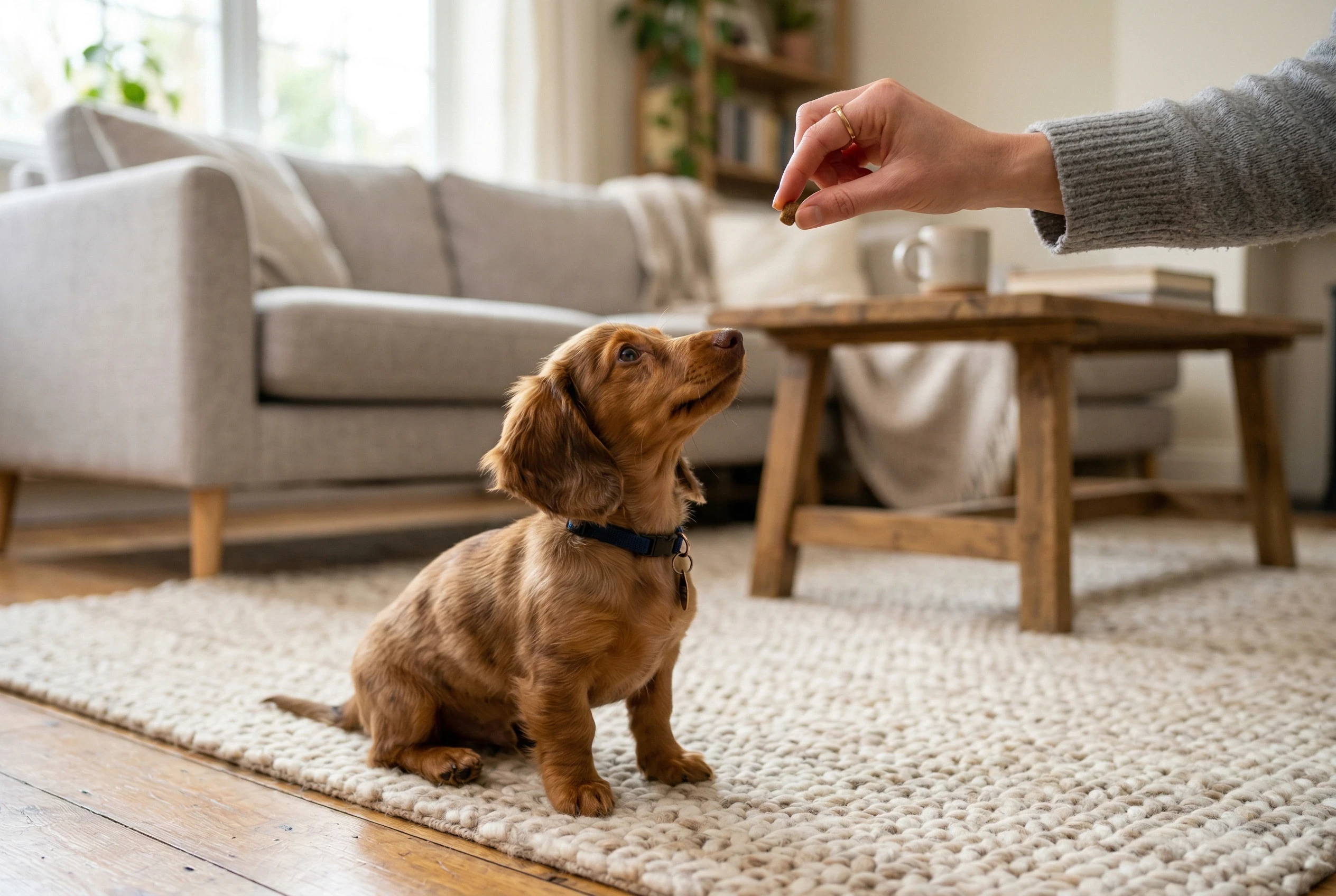
Portrait of a Dachshund sitting on a cozy blanket with a warm home setting in the background.
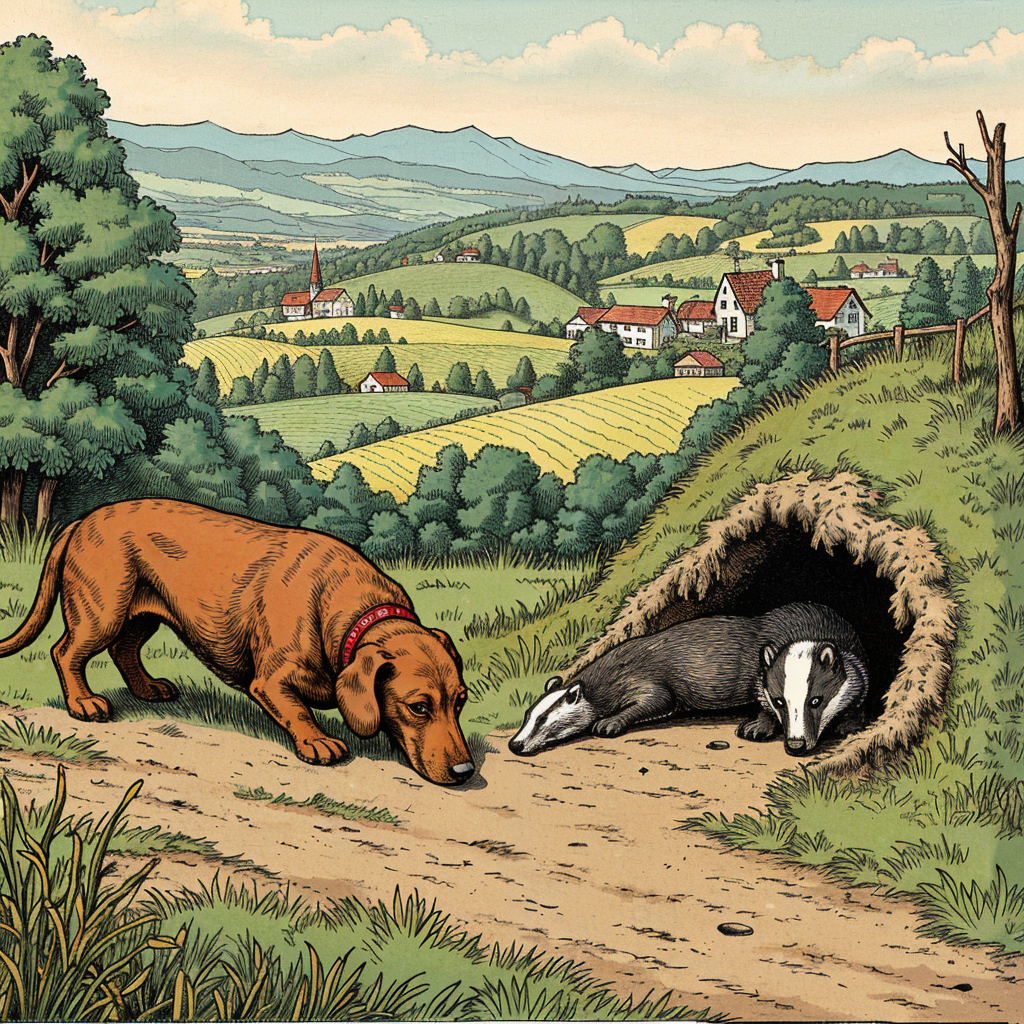
Dachshund in a rustic German countryside, showcasing the breed's origins as badger hunters.

Getting to know the Dachshund isn’t just about those adorable, long bodies and floppy ears. This breed brings with it a rich history that adds a whole lot of charm beyond the cuteness overload. Originating from Germany around the 15th century, Dachshunds were bred as hunters, specifically for badgers. This lineage gives them a bold, curious nature that’s still evident today.

Getting to know the Dachshund isn’t just about those adorable, long bodies and floppy ears. This breed brings with it a rich history that adds a whole lot of charm beyond the cuteness overload. Originating from Germany around the 15th century, Dachshunds were bred as hunters, specifically for badgers. This lineage gives them a bold, curious nature that’s still evident today.

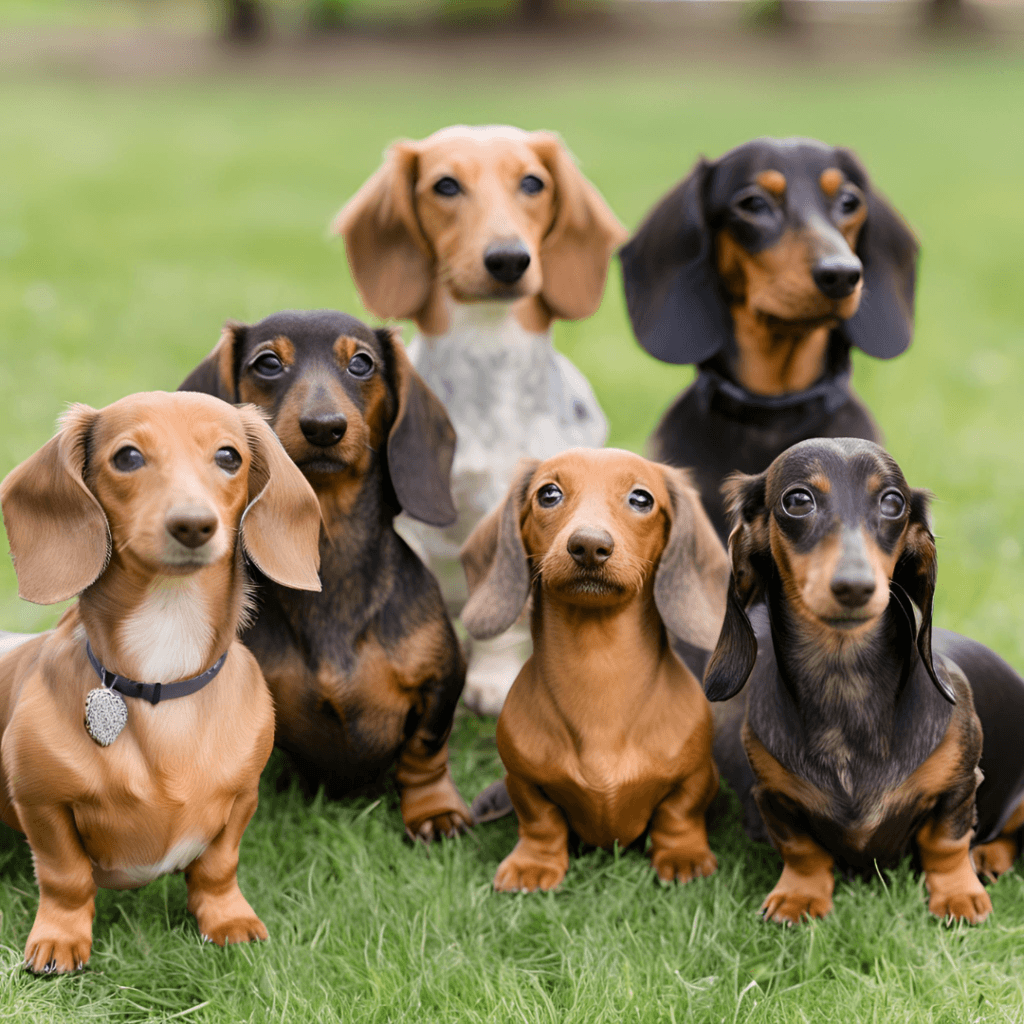
Dachshunds come in a variety of shapes and sizes, but their distinctive features remain constant. Often referred to as ‘wiener dogs’ or ‘sausage dogs,’ their unique shape is unmistakable and actually quite functional for their hunting roots. These dogs are known for being loyal, but also a little independent—okay, maybe a lot. They’ve got stamina and a strong will, which means they may sometimes challenge your patience but always reward with loads of affection.

A group of Dachshunds with smooth, long-haired, and wirehaired coats sitting together in a park.

Health-wise, knowing the common issues that could pop up can really help you stay on top of your pet’s wellness. Dachshunds are prone to back issues due to their elongated spine, and obesity is a no-no as it increases the risk of serious health conditions. Keeping your pet fit and trim is key to a happy, healthy life. Typically, these pups live anywhere from 12 to 16 years, so get ready for many fun-filled, devoted years together.

One thing’s for sure: Dachshunds make amazing family pets. With their spirited and sometimes mischievous personalities, they bring joy and entertainment to any household. They’re affectionate, good with kids, and can adapt well to various living situations, from apartments to larger homes. Just remember, they have no idea they’re a small breed—they think they can rule the world, which makes them all the more lovable.

Preparing Your Home for a Dachshund: Essentials and More

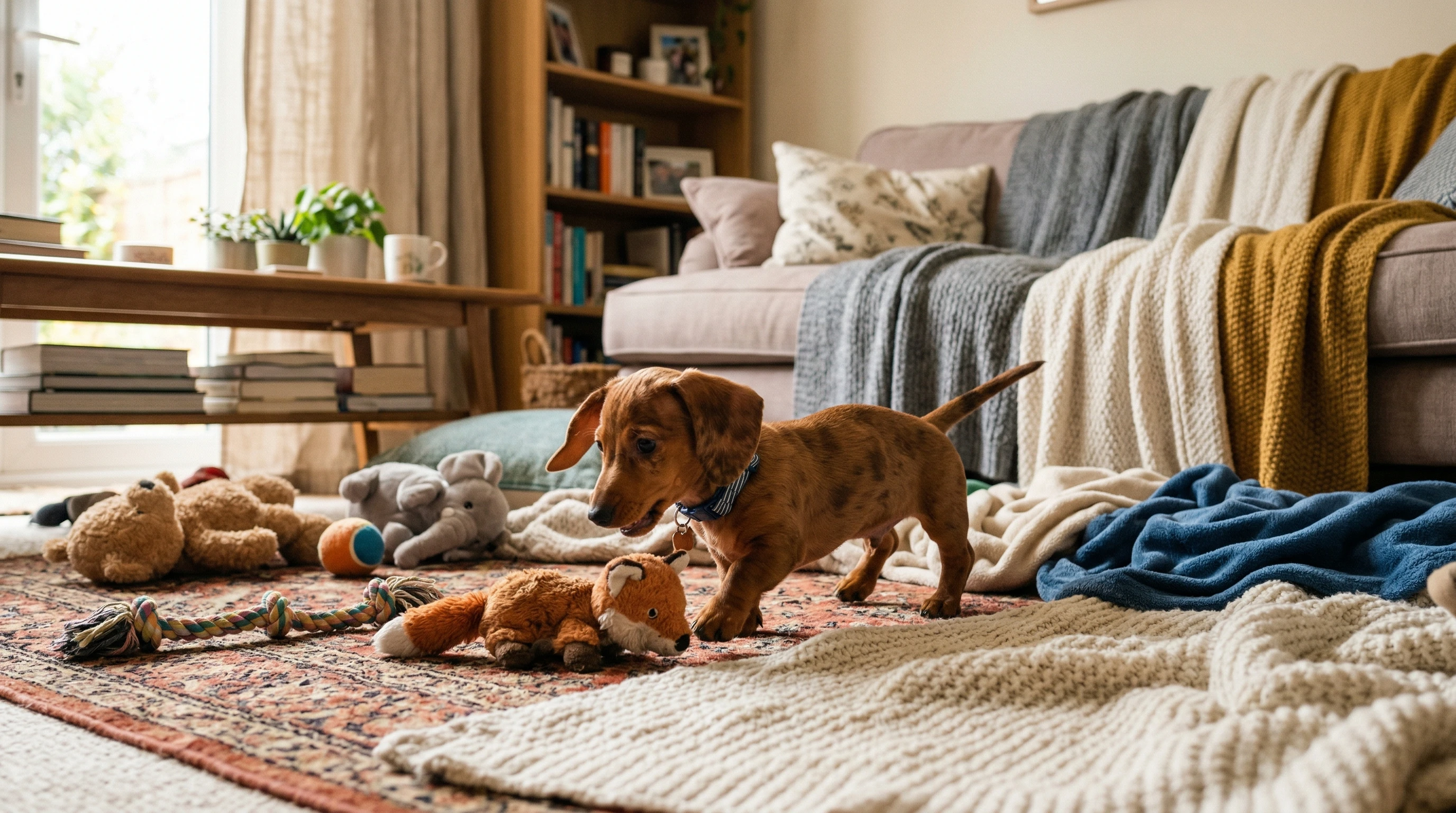
A playful Dachshund exploring a pet-proofed living room with toys and baby gates in place.

Before bringing your Dachshund home, creating a safe and welcoming environment ranks as priority number one. Think of it like prepping for a tiny explorer who’s about to make your house their new playground. These curious canines love to scuttle around every nook and cranny. So, first order of business: keep hazardous objects like cleaning supplies and small items out of reach.

Equipping your home with the right accessories can make a world of difference. A comfy bed suited for their love of burrowing and cozying up is a must-have. Toys, particularly ones that stimulate their active minds, will keep them happy and engaged. Quality chew toys are fantastic to satisfy their need to gnaw.

Dachshund-proofing your living space might sound like a bit of work, but it’s worth it. Look out for things like loose wires and small spaces they could get stuck in. Baby gates can be great at keeping them away from staircases and certain areas while they learn the house rules.

Don’t forget the crucial first vet visit. This is when vaccinations and health checks come into play. It’s also a perfect time to discuss dietary requirements and any preventative care your new furry friend might need. Getting this routine set up early will save you loads of worry down the line and keep you well-informed on how to care for your new companion.

The Basics of Dachshund Care: Nutrition, Grooming, and Exercise

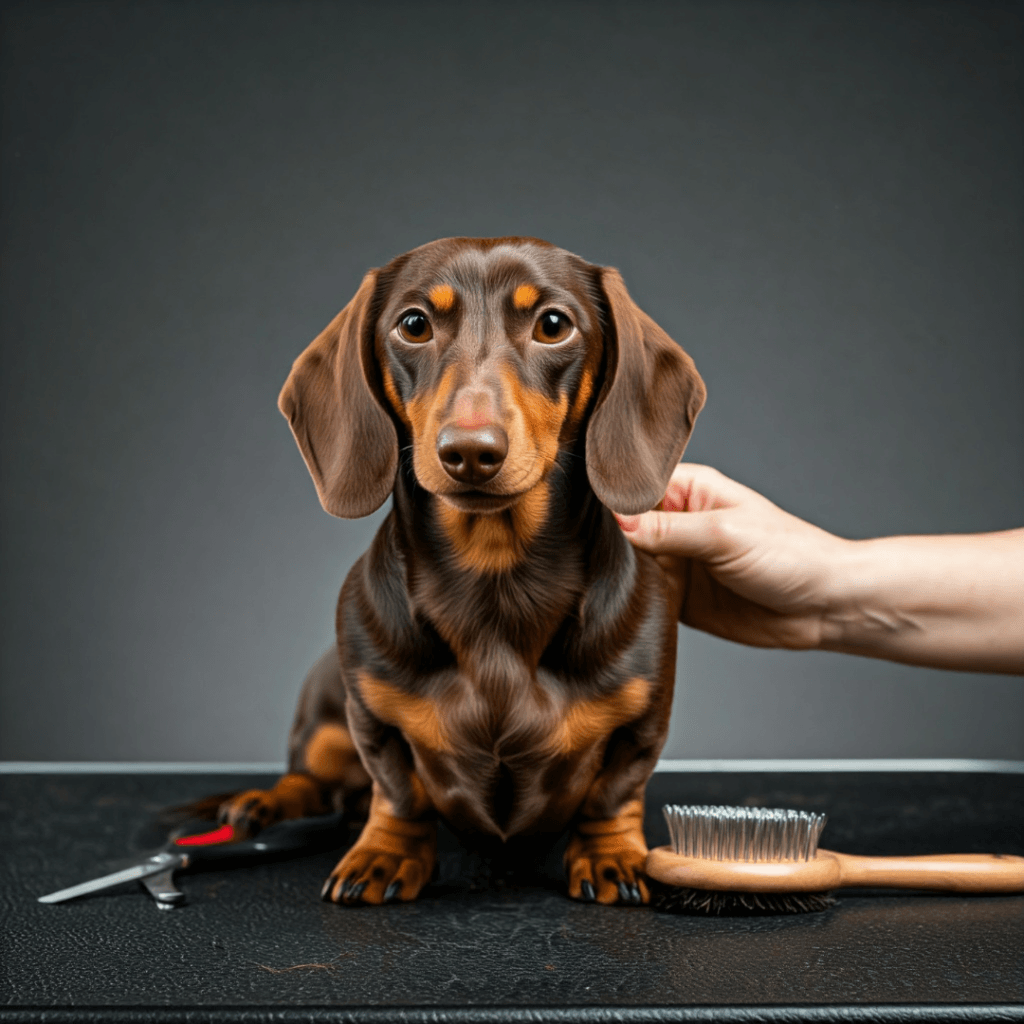
A Dachshund being groomed with a brush, showcasing care for its smooth coat.

Feeding your Dachshund right is the backbone of great care. Their small frames pack a big appetite, so choosing a well-balanced diet specifically designed for small breeds can help keep them in top shape. Make sure their meals are packed with the right nutrients to support their lively demeanor and avoid overfeeding, as extra weight can spell trouble for their spines.

Grooming varies with the type of coat your Dachshund sport—be it smooth, long-haired, or wirehaired. Regular brushing, especially for those with longer or wiry coats, keeps them looking sharp and reduces shedding. Those nails? Keep them trimmed, because when those little legs are on the move, neat paws make all the difference.

Exercise isn’t just vital—it’s part of their doggy DNA. Daily walks are key, but don’t underestimate the benefits of playtime, which boosts their mental happiness. These hounds love to sniff and explore, so mix it up with different walking paths or fun hide-and-seek games indoors during bad weather days.

Knowing the signs of behavioral issues and addressing them promptly is a biggie. Barking excessively or signs of anxiety when alone are clues that your pup needs more attention or outlets for their energy. Sometimes, a bit of extra playtime or some interactive toys can work wonders to keep that spirited nature positively channeled.

Forging a Lasting Bond: Training and Socialization Adventures

Training your Dachshund may seem like an adventure, but with a bit of patience and consistency, it’s absolutely rewarding. House training should be among the first skills you tackle, and keeping a regular schedule will help your pup catch on quick. Accidents might happen, but staying calm and positive makes the teaching more effective.

Introducing your new buddy to different people and pets is a mission you’ll want to start early. Socializing them helps build confidence and ease out any potential nerves they might have. Whether it’s a trip to the dog park or having friends over, each experience builds their assurance.

Harnessing positive reinforcement works wonders with these little guys. Dachshunds respond well to treats, praise, and playtime rewards when they ace a new command. Keeping training sessions short and fun holds their attention and leads to better results.

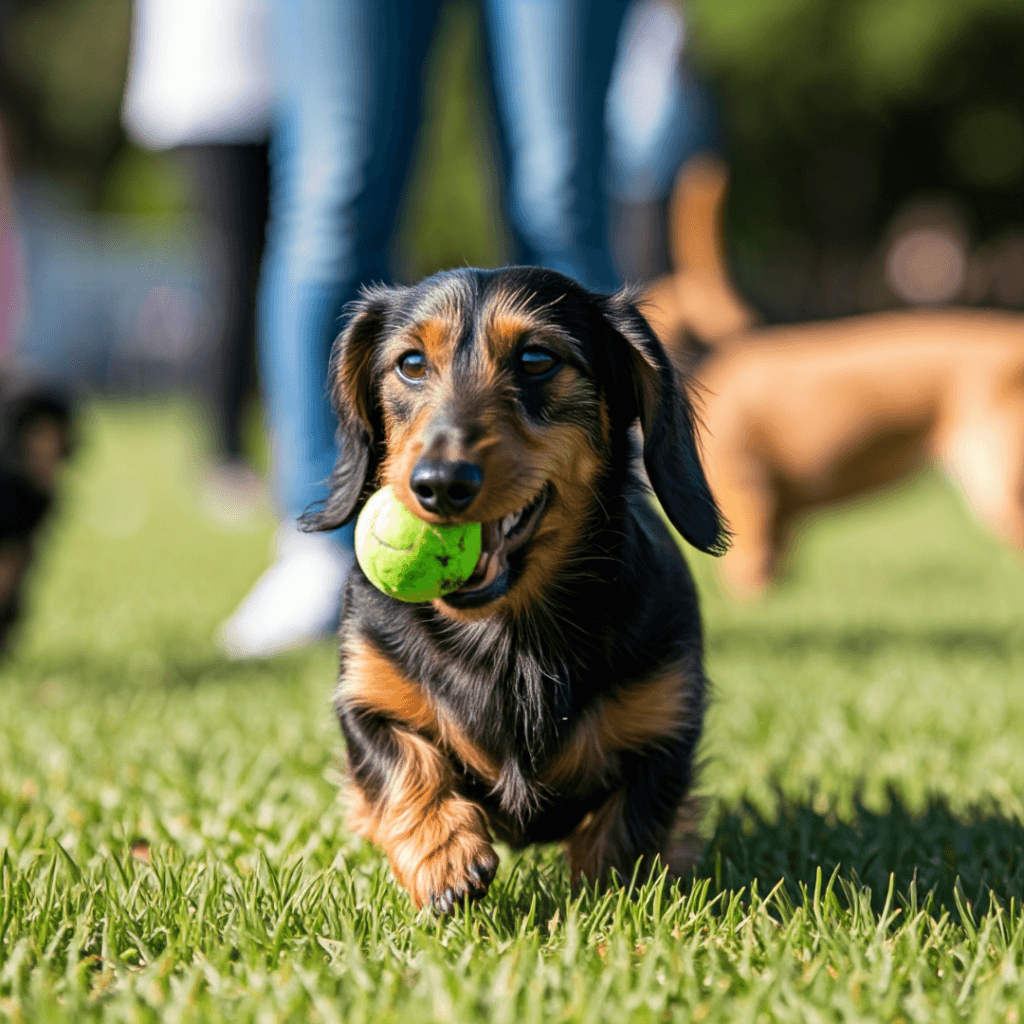
A happy Dachshund playing fetch with its owner at a dog park, showcasing training and socialization.

Taking your dog out on social outings and community events isn’t just for their enjoyment, it strengthens that bond between you two. Plus, a change of scene is always refreshing. Be it a stroll in a local pet-friendly cafĂ© or joining group classes, these experiences broaden their world and yours, sealing the lifelong friendship you’re building.